
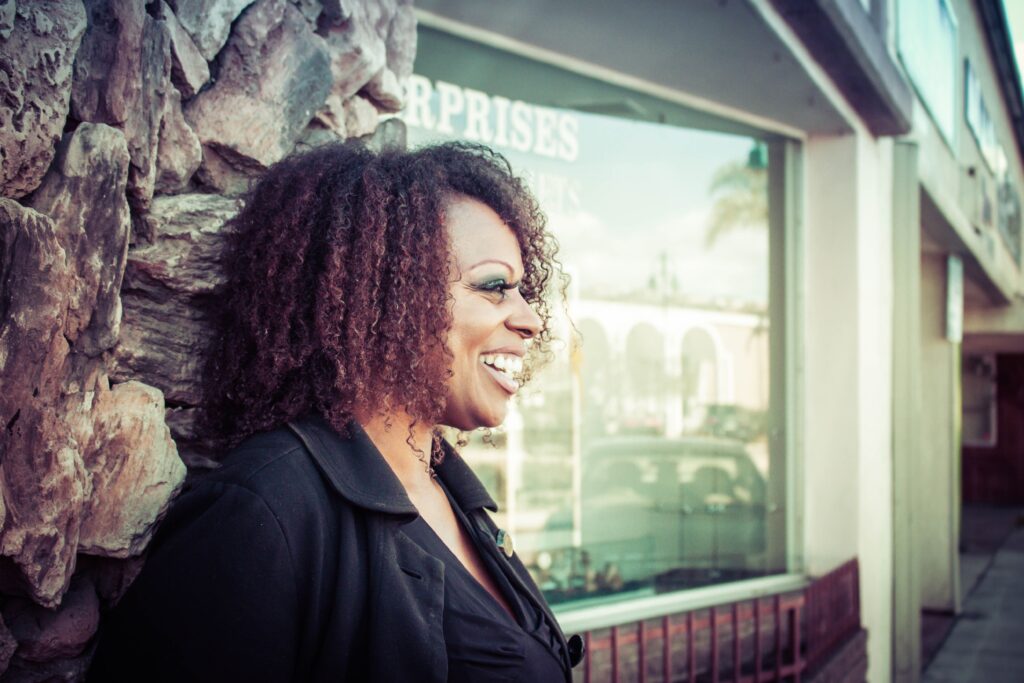
The Power of Self Belief
Self belief shapes far more of our lives than we often realise. It influences how we handle setbacks, whether we take chances on new opportunities, and how resilient we feel when life gets difficult.
For many people, low self belief quietly holds them back for years, showing up as self doubt, procrastination, or a persistent feeling of not being good enough.
The encouraging news is that self belief is not fixed. It can be understood, nurtured, and strengthened with the right support.
What is self belief, really?
Self belief is more than positive thinking. It is the underlying conviction that you are capable of meeting the challenges in front of you and influencing the direction of your own life.
Psychologist James Maddux, known for his research into self efficacy, describes this as a person’s belief in their own ability to organise and carry out the actions needed to achieve a goal. Self efficacy is not about assuming everything will go perfectly. It is about trusting that you can cope, adapt, and keep going even when things are hard.
The link between expectation and experience
Author David Robson explores a similar idea in his book The Expectation Effect, which looks at how our expectations can shape our physical and mental experience of the world. His research suggests that what we believe about our own abilities, health, and potential can genuinely influence outcomes, not through magical thinking, but through the way expectation affects our motivation, stress levels, and behaviour.
When someone expects to fail, they may unconsciously avoid effort, give up sooner, or interpret setbacks as proof of their limitations. When someone expects that they are capable, they are more likely to persist, seek support, and view difficulties as temporary rather than permanent.
Expectation does not guarantee success, but it does shape the path we take towards it.
Why self belief often gets damaged
Self belief is not something we are born with in fixed amounts. It develops (or erodes) over time, shaped by our experiences, relationships, and the messages we absorb about ourselves.
Common causes of low self belief include:
- Childhood criticism
- Repeated failure without support
- Domestic abuse
- Trauma
- Chronic stress
For anyone who has experienced domestic abuse or prolonged adverse circumstances, self belief can be particularly fragile. Abuse often works by undermining a person’s sense of competence and worth, so that they come to doubt their own judgement and abilities.
Rebuilding self belief after this kind of experience takes time, patience, and sometimes the guidance of a trained professional.
How self belief can be rebuilt
According to Maddux’s work on self efficacy, belief in ourselves grows through several small experiences rather than grand gestures. Watching others who are similar to us succeed can strengthen our own sense of what is possible, encouragement from people we trust plays a role, as does learning to interpret our physical and emotional responses to challenges more accurately.
This is where psychotherapeutic counselling can offer real value. Working through past experiences in a safe, supportive space allows you to understand where your self doubt originated and begin to challenge the beliefs that no longer serve you.
Rather than simply telling yourself to be more resilient, counselling helps you build self belief from the ground up, through insight, reflection, and small, achievable steps.
Self belief is not about pretending everything is fine or forcing yourself to feel confident overnight. It is about developing a realistic trust in your own capacity to cope, adapt, and grow, even after difficult experiences.
Whether low self belief stems from past trauma, domestic abuse, or years of self doubt, it is possible to rebuild it with the right support and understanding.
If you recognise yourself in this and would like support to build stronger self belief, I invite you to book a counselling session. Together, we can explore what has shaped your self belief so far and work towards a more confident, secure sense of yourself.